

Who would imagine a teenage girl at a public high school in Buenos Aires or Córdoba designing a robot? For a long time, robotics was seen as a field reserved for certain types of people: specialists, college students, and people who already “know about technology.” However, in Chicas en Tecnología We start from a different premise: vocations are built through opportunities for exploration.
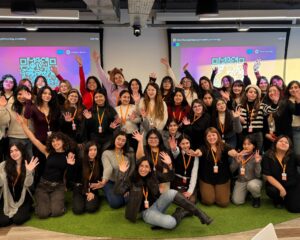
Based on that conviction, it was designed FARO: Future and Action in Robotics, a project that reached public high schools in CABA, Greater Buenos Aires, Córdoba and Rosary to introduce teenagers to a field that is often portrayed as distant and complex, but that can be concrete, creative, and transformative.
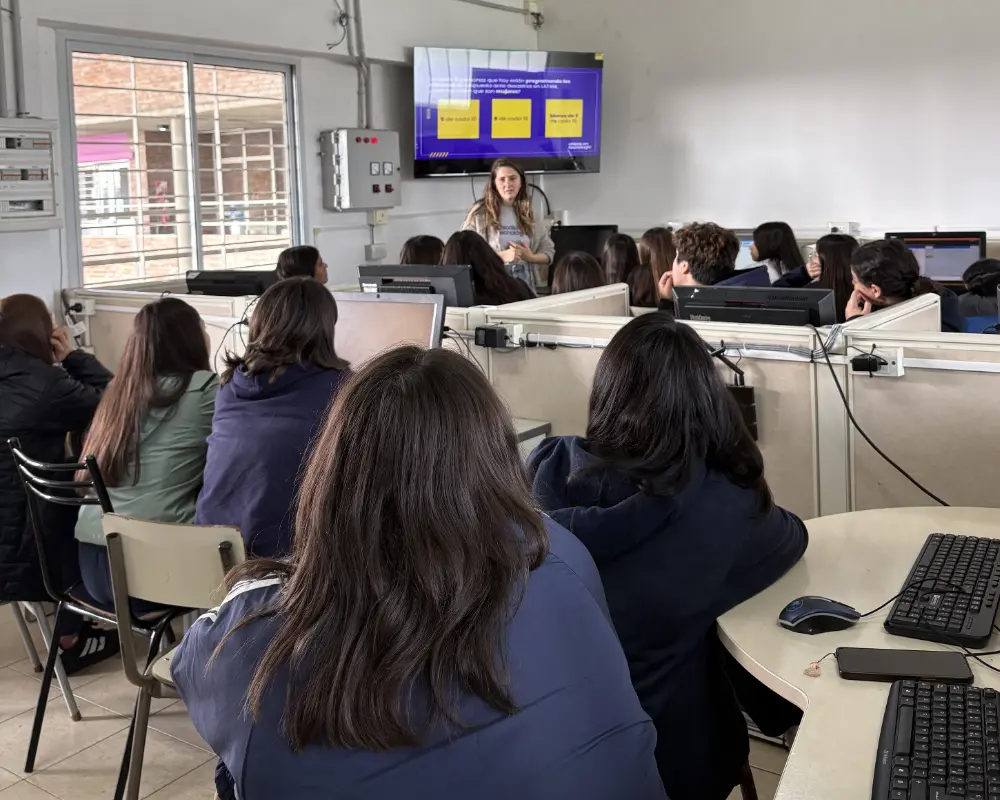
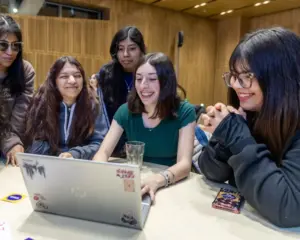
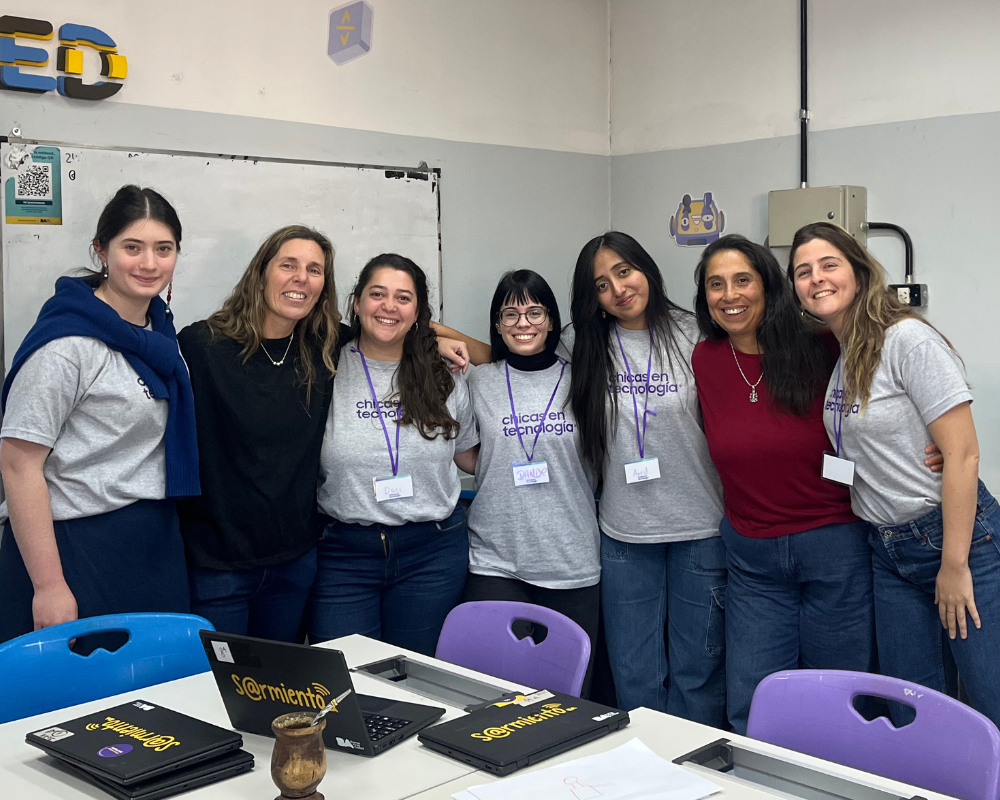
During the workshop, participants had the opportunity to learn about robotics, understand how it can be applied to solve real-world problems, and, for the first time, work with a robotics kit hands-on. That last aspect is key: this wasn’t just a talk about technology, but an experience in which technology was within their reach.
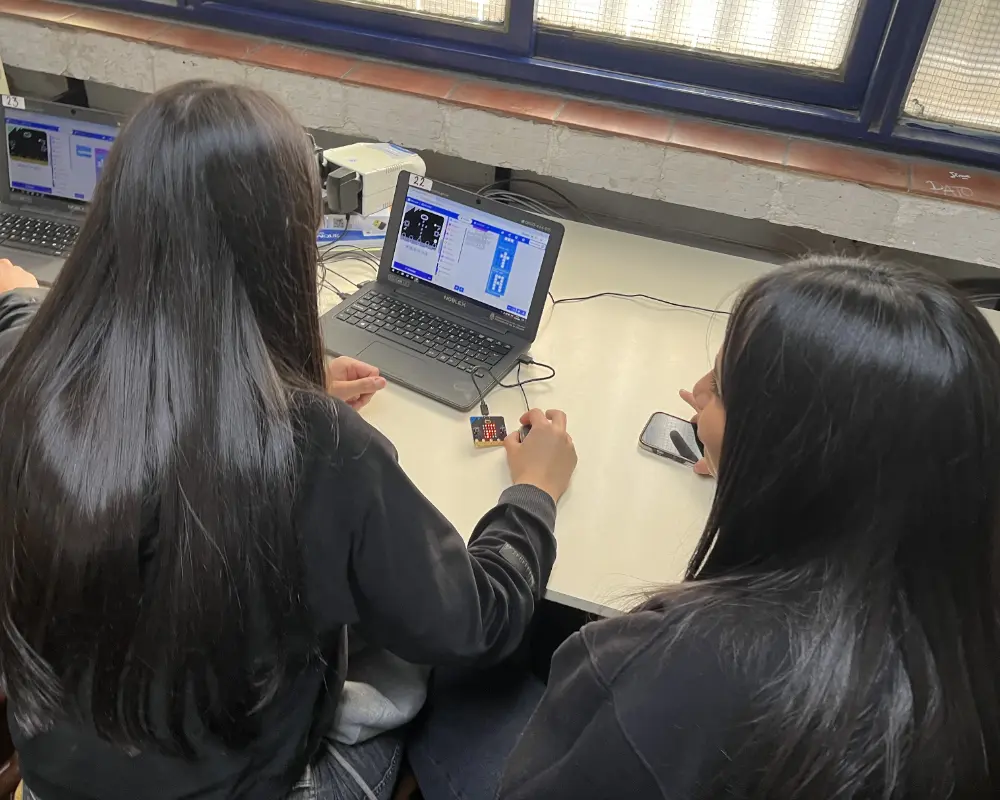
Robotics, as a field, has a unique characteristic: it combines logical thinking, design, problem-solving, and collaborative work. It involves thinking about how a tool can meet a need, how a movement can be translated into code, and how an abstract idea becomes a tangible object. That’s why, when we talk about introducing teenage girls to robotics, we’re not just talking about career guidance—we’re also talking about broadening the ways in which they conceive of their own ability to to take action in the world.
In this regard, the choice of context matters. Gaps in access to technology are not only gender-based; they are also regional and socioeconomic. FARO sought to operate precisely in those areas where exposure to these disciplines is most limited and where, therefore, the impact of a first experience can be most significant.
Because often it’s not a lack of interest but a lack of exposure. Teenage girls who didn’t grow up surrounded by technology, who don’t have role models in the field, and who have never seen someone “like them” working in robotics are unlikely to envision themselves in that role. FARO aims to show that robotics is also a field for women, who can understand it, manipulate it, and, eventually, choose it.
The FARO project is not intended to be a destination, but rather a first step. For many of these teenage girls, it opens the door to a journey that might otherwise never have begun.