
Cultural advances in gender equality have been made in recent years; however, the world of technology still presents many challenges to overcome.
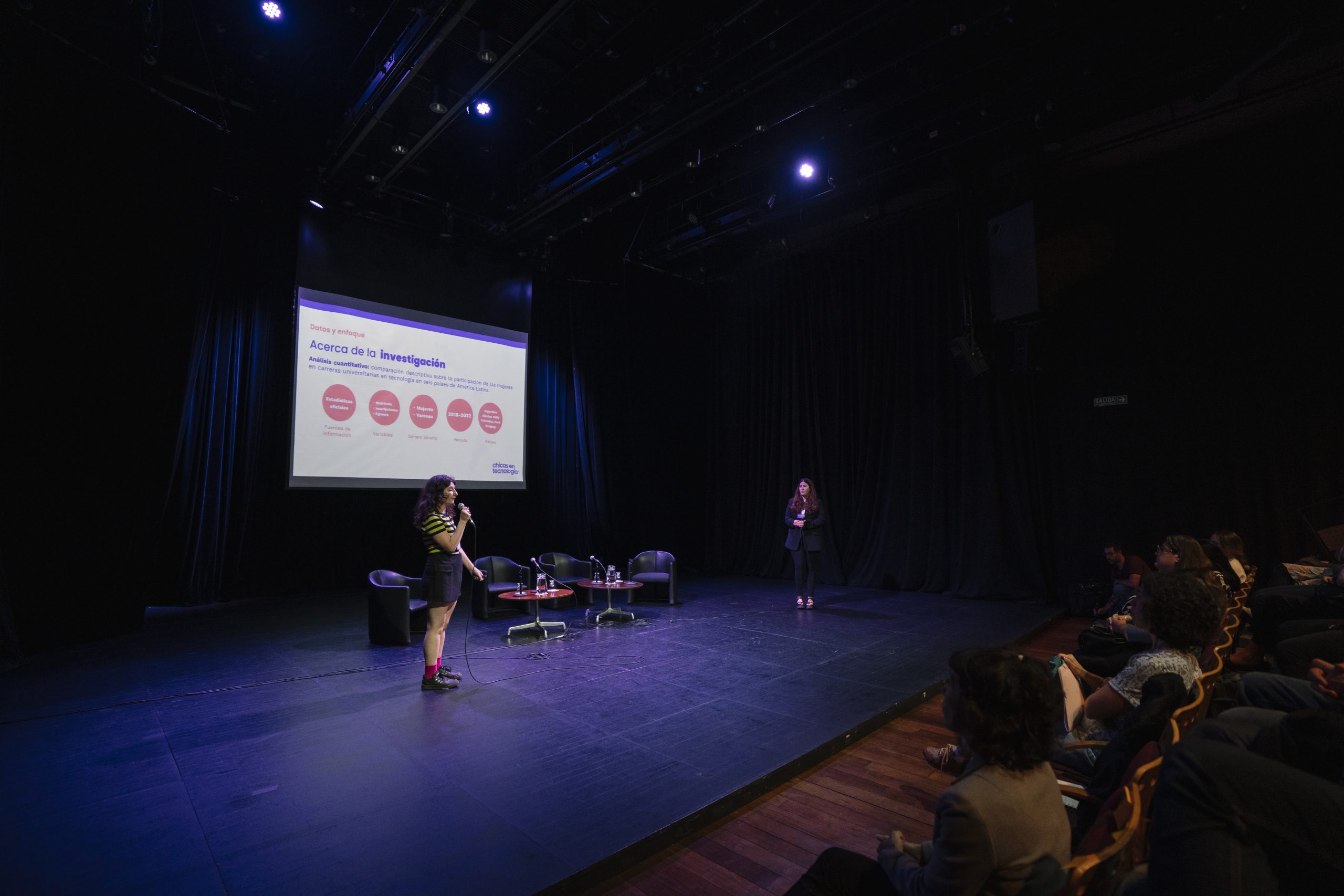
Aiming to generate evidence to drive change, Girls in Technology (CET) -supported by NCR Foundation- presented the report “The gap that persists.”, an analysis of the university statistics of Argentina, Chile, Colombia, Mexico, Peru and Uruguay. This study seeks to understand trends in enrollment, enrollment and graduation of women in technological careers at the regional level. In addition to providing a comparative analysis of the situation, the report includes a country-specific section that examines the particularities of each university system and national statistics.
Methodologies to drive change
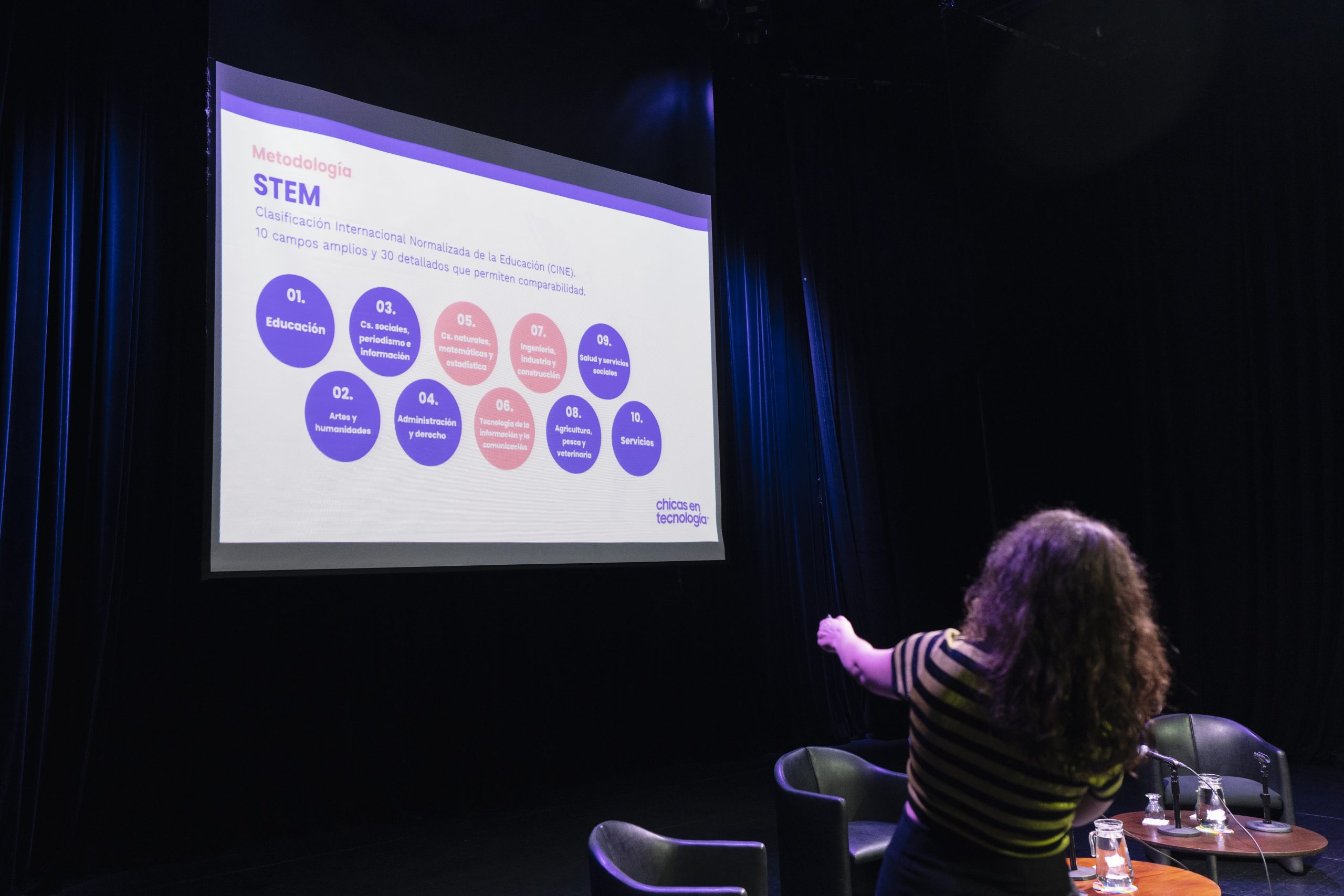
In order to carry out this analysis, Chicas en Tecnología has developed its own census methodology, which incorporates specific categories focused on careers. intensive in programming and of technological development (electronic engineering, robotics, biotechnology and hardware design and development, among others). This approach made it possible to identify gender inequalities in the university system more clearly and to compare statistics between countries in the region.
According to Milagros Giménez, CET's Research Leader: “This is not a single-country problem, but a structural challenge we face at the regional level.”.
The data reveal
The report highlights that, although women represent more of the 50% of total university enrollment in the countries analyzed, their participation in technological disciplines remains low.
- Regional mapUruguay leads with a 42,6% of participation of women in STEM careers, followed by Argentina and Colombia. Peru and Chile present the lowest rates, with 28,9% and 29%, respectively.
- STEM CareersFemale participation varies between 28.9% and 42.6%. In areas such as natural sciences, mathematics and statistics, exceeds the 50% in several countries. However, in information and communication technologies (ICT), does not exceed 23%.
- Programming Intensivesfemale participation is even lower, at between 11.1% and 22.6%.
- Technological developmentThe participation rate ranges from 14% and 28,1%.
A call to action
Thinking about inclusive and diverse technology is not only a question of rights, but also a matter of strategic opportunity to foster innovation and generate solutions that benefit society as a whole. The incorporation of people from different contexts in the creation of technological solutions brings new perspectives, approaches and answers to global problems. In other words, incorporating more women into the technology sector means investing in the future of the region.
From family and educational environments to the transformation of university and work systems, all actors in society must work collectively to achieve a profound cultural change.
The first step is to have reliable information.
Read the full report here. Without data, reality cannot be changed.