
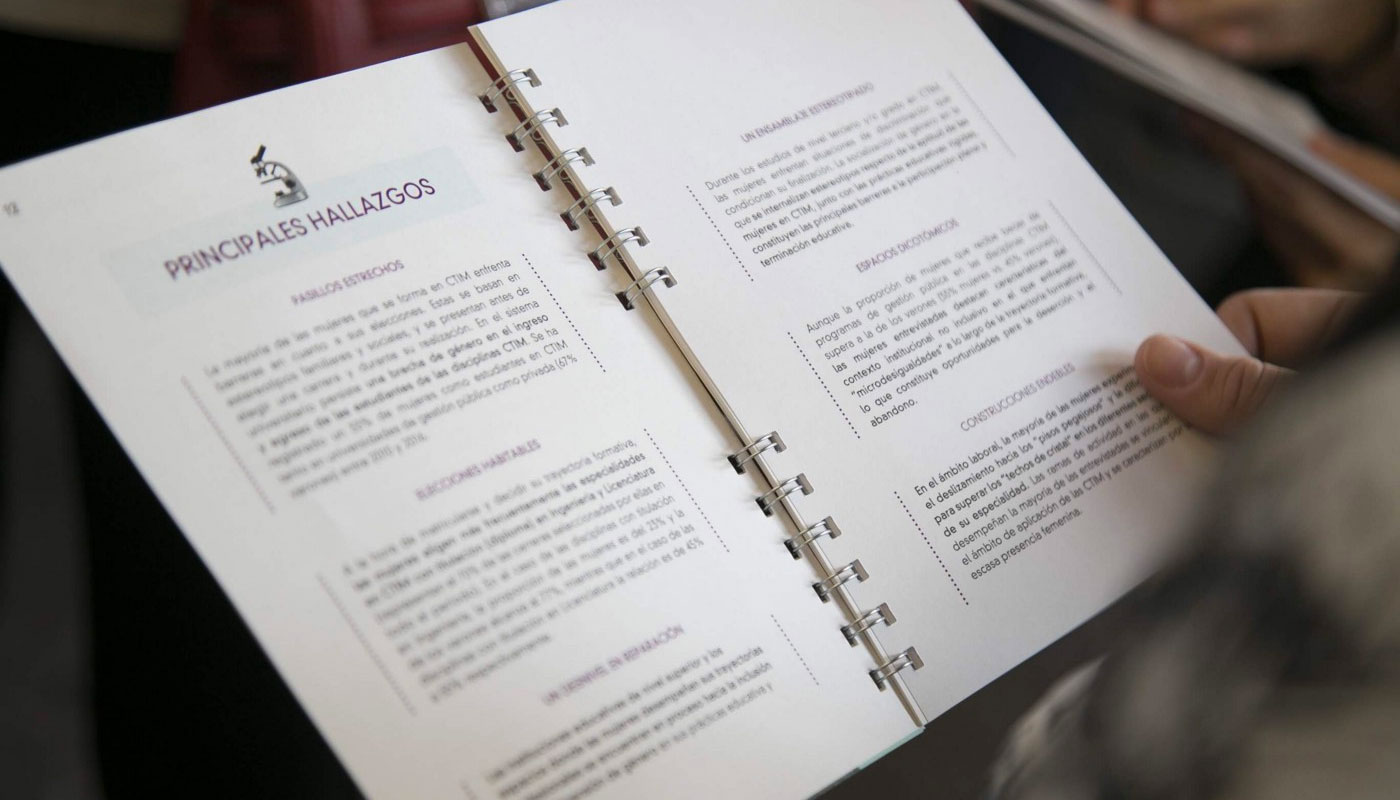
CThe research, carried out in collaboration with INTAL-IDB, makes fundamental contributions to closing the gender gap in academic and professional careers in Science and Technology.
Text: Julieta La Casa
Existing data communicates, informs, reveals, confirms and refutes. Data that does not exist also communicates something: the lack of interest in a certain topic, the low priority of a certain issue, the discomfort of what may arise with accurate data, or the comfort of doing nothing about something superficially known. Data can be used to create, evaluate, plan, reorient, strengthen or leave everything as it is. Which data is needed and which is urgent to generate depends on the questions you want to answer.
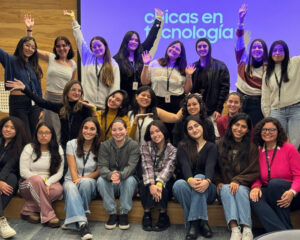
Chicas en Tecnología, the Argentinean NGO that seeks to close the gender gap in the technological entrepreneurial environment, is working to provide more data on the situation of this problem in its country, with the intention of replicating its efforts throughout the region. The organization knows that having reliable and updated data is the basis for generating concrete and measurable actions that can transform realities. With this objective in mind, and together with INTAL-IDB (Institute for the Integration of Latin America and the Caribbean of the Inter-American Development Bank), they carried out the research “The Latin America and the Caribbean: A Case Study for the Integration of Latin America and the Caribbean" (INTAL-IDB).“A potential with barriers. The participation of women in the area of Science and Technology in Argentina.”which combines quantitative and qualitative information on the academic and professional careers of Argentine women in science, technology, engineering and mathematics (STEM). The work was enriched with the contributions of the federal network that accompanies Chicas en Tecnología -companies and allied organizations, mentors, referents, facilitators, decision makers- who got involved with the research from different parts of the country.
Pending questions, the background
In 2018 Chicas en Tecnología presented “Mujeres programadoras” (Women programmers), the first quantitative survey in Argentina on women dedicated to this profession. For that purpose, they requested information from 84 public and private universities and analyzed 73 university careers linked to the programming area. Cecilia Vázquez, from the Chicas en Tecnología research team, participated both in that survey and in the research “Un potencial con barreras” and explains the relationship between both works: “What always happens to us in the research area is that we ask ourselves questions about the contexts in which we are working but we do not have answers from the data. In this latest research (“A potential with barriers”) we went back to the questions that had been left open from the previous research, which was mostly quantitative work for which a very important database analysis was carried out. On that basis, we began to ask ourselves questions such as: what happens today in university classrooms with women who choose a career in technology, what happened to the women who are now leaders, what was their background and academic and work training, how did they reach that leadership, what are the particularities of their way of leading”. To begin to answer these questions, the research team of Chicas en Tecnología and INTAL-BID expanded the database with all CTIM careers, conducted in-depth interviews, focus groups and worked with different populations.
An interdisciplinary team

The research “A Potential with Barriers” was conducted by a team of professional women specialized in education, data journalism, politics, economics and public administration management. For approximately eight months they carried out an arduous work, with dedication and clear objectives, ambitions of social and community interest.
Next, Cecilia Vazquez (CET Coordinator) and Yanina Paparella (CET Consultant), from Chicas en Tecnología, answer some questions about the work done together with Gabriela Bouret (CET Consultant), Romina Colman (ad honorem CET Consultant), Alejandra Gutierrez (CET Consultant), Melina Masnatta (ad honorem CET Consultant), Cecilia Lavena (INTAL-BID) and Ana Inés Basco (INTAL-BID).
What motivated the research conducted with INTAL-IDB?
C.V: All our research seeks to answer questions related to the mission of Chicas en Tecnología, in order to improve our programs based on the current context of Argentina. After “Women Programmers” we had the intention of extending the database to all CTIM careers, not just those related to programming. On the other hand, the IDB had been talking to us about their interest in conducting research on women and technology, so in intense meetings and working days we made progress in defining the ecosystem to investigate. We did not just want to keep the statistical data, but also to make a relationship with the women who are currently in the academic and professional training trajectory. We conducted focus groups and did a very detailed work to see which women leaders could give us answers about how they were studied before, how they were trained and what is happening today with female leadership. We were able to interview women leaders not only in technology but also in science, education and scientific dissemination. Women who lead teams and projects of great importance. It was a very rich work and this can be found in the research. With the quantitative and qualitative analysis we can see what is happening today with the incorporation of women and technology, who are the girls who are currently in the classrooms and who are the women who were part of those classrooms a few years ago and how they see in perspective what was happening at that time.

What differences did you find between the current context and the context that the women who were trained years ago went through?
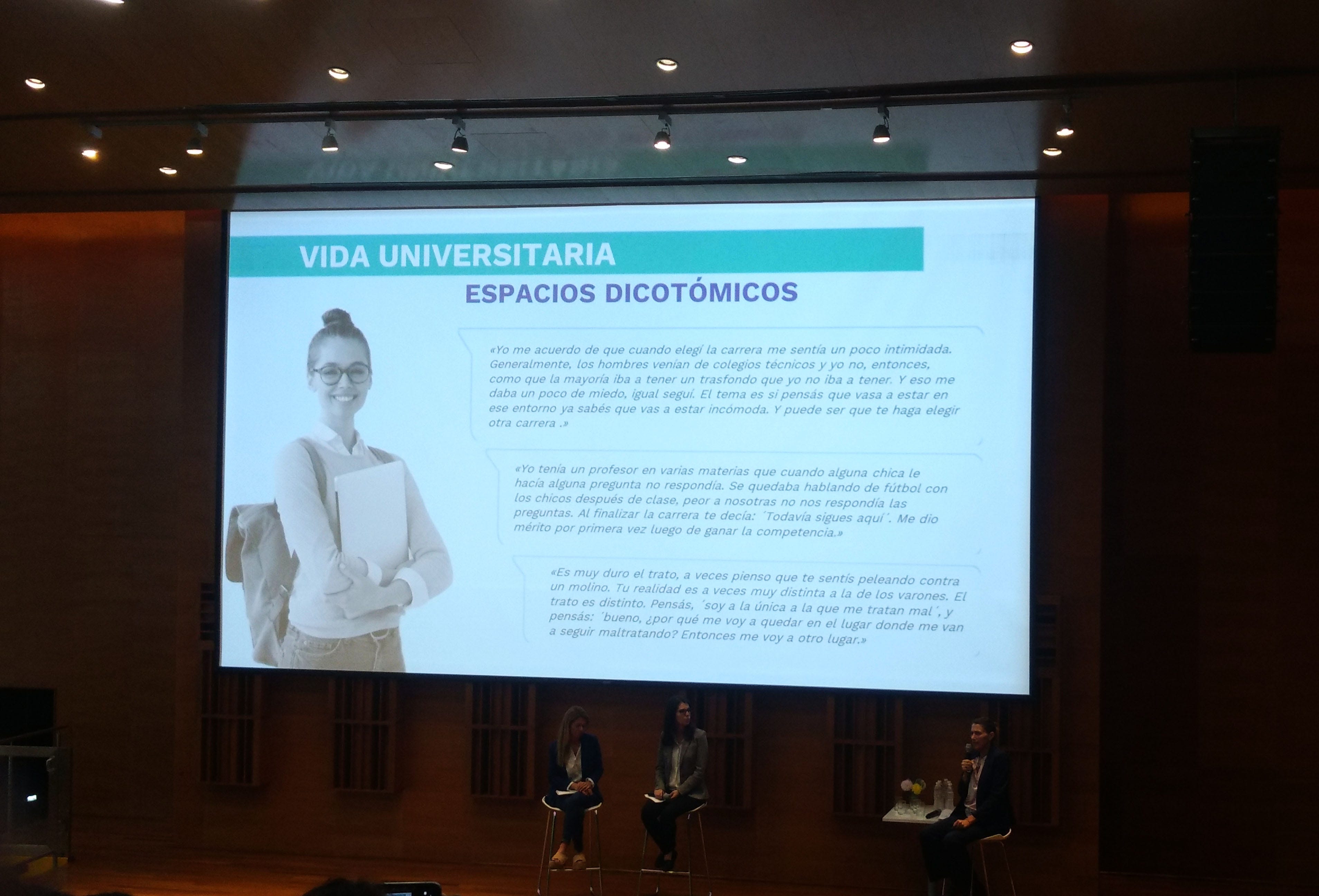
Y.P: Many companies have incorporated areas in which training on gender issues is conducted and talks are given on the subject. We also noticed that many universities opened an area on gender, they began to conduct surveys on the university population with this gender focus that did not exist before. In this there is a great change, protocols have been institutionalized for situations of harassment that women may experience in these particular spaces where it is thought that the careers are intended for men and where there are still very negative remarks about the female presence. But now there is a system that accompanies and protects them.
C.V: Something that was seen in the focus groups was a great reference to what happens today in the classrooms. There is not so much difference between classmates, but there are still differences in the treatment by male and female professors towards women who study this type of careers. Clearly the universities are still in a diagnostic stage and oriented towards the protocol of assistance in case of any situation of abuse of power or harassment, but little by little they are separating themselves from that single logic and are thinking of measures oriented towards the positive sense of the inclusion of women. For example, one of the universities has a job bank -these careers usually have many job offers before students graduate- and has made it a condition that job offers do not differentiate by gender, since companies used to make it a requirement that the student be male. This is a measure that tends to provide real opportunities for insertion in the labor market and not only to collaborate with the situations of vulnerability that a student lives in the classroom.
In your opinion, what is the importance of the data generated from this research?
Y.P: Having this analysis generates policies, the data is the input for decisions to be made such as the creation of gender spaces, the possibility that in the future economic scholarships may favor the graduation of students so that there are more women in science, or to review certain quotas in companies so that more women have the possibility of reaching positions that today, as they themselves say, are only possible if they make twice as much effort as their male colleagues. In the academic field, the women interviewed mentioned that they need to have more academic accreditation for the same position, they need to be graduates and men do not. Or they need to have a postgraduate degree in a certain subject, while for men this is not a requirement. It is also important to open the way for the new generation and dissemination of knowledge. Last year, within the framework of the database of women programmers, we participated in some events in which they had taken that basis to generate new knowledge. This is a very important step forward in terms of the construction of knowledge and the possibility of making different types of analysis of the current context.
C.V: I think that what data provides us all, as a community and as a society, is the possibility to see a phenomenon that is happening, it gives us answers and a diagnosis of what is happening. The data is not only useful for Chicas en Tecnología's programs, to improve our strategy and to continue fulfilling our mission as an organization, but also for the entire community. Working with this data enables us to think about long-term policies and institutional strategies.
What impact do you expect this research to have?
C.V: I would like girls who are about to decide their career to know what is happening because they can change it. Many of the focus group participants said that by being “in” they can change what is happening. There are many girls who do not enter these careers because they are unaware that they exist or because there is a stereotype that these careers are for boys. Another big impact is to change this youth culture, to disseminate this data so that teenage girls can appropriate it, understand it and decide to put these careers within their possibilities.
Y.P: We both specialize in the field of education and we understand that part of this knowledge that is generated should be on the agenda for updating teachers, since it is necessary to promote more balanced training, without taking it for granted that a person, because she is a woman, is not good at mathematics or has no chance of approaching the scientific world because it is assumed that she has to be oriented to sensitive activities. This is where all possible barriers are already being generated at very early stages of training in primary or secondary education.
What would you highlight from “A Potential with Barriers” with respect to other works done?
C.V: I think the research is designed to listen to different voices at different moments in the academic and professional trajectory of a woman who decides to study a STEM career. The most powerful thing about it, beyond the numbers and statistics, is that we were able to take a look at the context that women went through in the past and the context they are going through today, what is happening in universities, the path taken by women who are leaders. The richest part of the research is the variety of approaches and contexts; it traces a woman's journey from starting a university career in CTIM to becoming a leading professional.
Y.P: As a complement to that, research allows us to move structures. It is a powerful construction to be able to rethink and reevaluate this context. Here are the data, into the future, how are we going to use them? How are we going to transform the present they are describing?
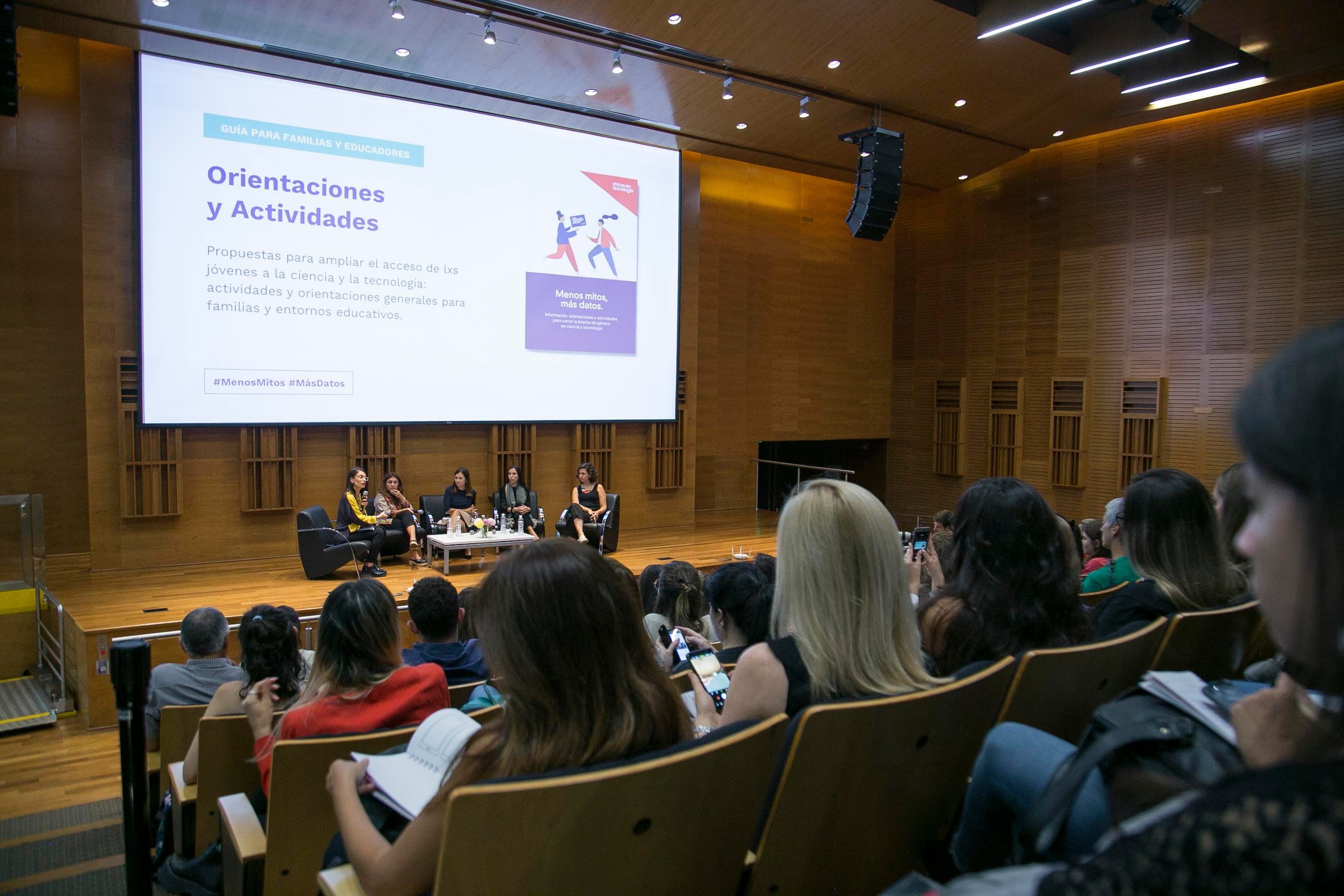
Less myths, more data The research “A potential with barriers” was presented at the Centro Cultural de la Ciencia in front of a full audience that followed the debates generated in the different panels. The event was attended by representatives of national, provincial and City of Buenos Aires ministries, the private sector and civil society. The attendees received a guide prepared by Chicas en Tecnología, with activities and general guidelines to work on the gender gap in STEM in family and educational environments.
More info: https://proyectos.chicasentecnologia.org/masdatos/